


Charlotte, NC, Neighborhoods
Whether you value historic character, modern amenities, green spaces, or family-friendly communities, you’ll find areas throughout Charlotte and its suburbs for every lifestyle. This guide introduces some of the city’s most distinctive neighborhoods and nearby suburbs covering walkability, affordability, lifestyle, and community strengths.
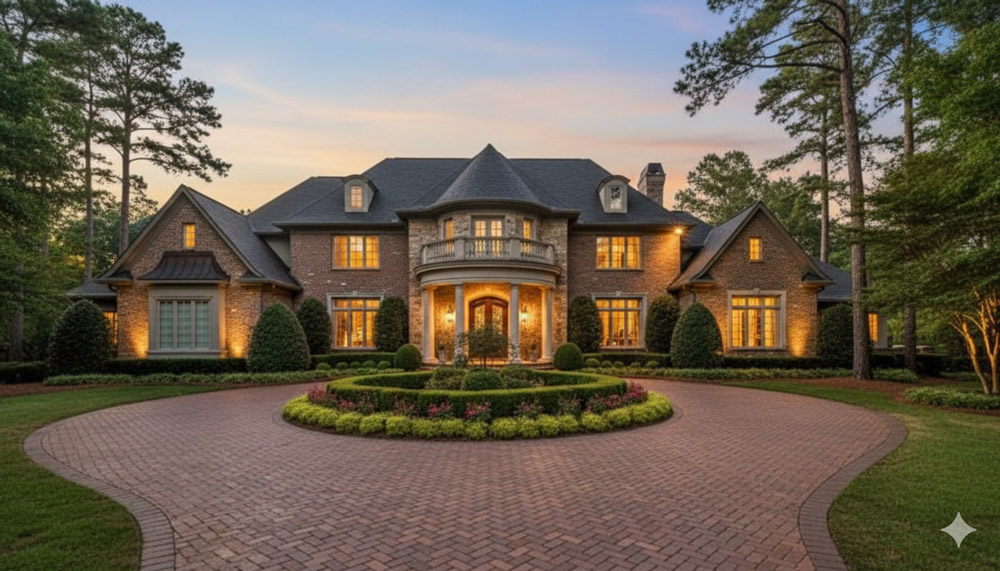
About Charlotte’s Neighborhood Tapestry
Every Charlotte neighborhood has its own story, design, and local flavor. Some areas are defined by historic streets and shaded parks. Others center on new development, proximity to transit, or quick access to Lake Norman or Uptown. Throughout the city, you’ll find greenways, coffee shops, breweries, local businesses, and a strong sense of belonging, whether you’re in an urban enclave or a quiet suburb.
Schools, affordability, homes, and social life vary from one neighborhood to the next, so exploring a range of options is key for new arrivals. The descriptions below offer an overview to help renters, buyers, and new residents identify the right fit.
Best Neighborhoods in Charlotte: Editor’s Picks
Below are Charlotte’s standout neighborhoods chosen for their balance of location, vibrancy, amenities, and reputation.
Dilworth
Dilworth is one of Charlotte’s most established historic neighborhoods. It’s defined by tree-lined streets, craftsman and bungalow homes, and walkability to restaurants, shops, and Freedom Park. Dilworth balances old and new historic character merges with modern cafes, yoga studios, and weekend farmers markets. Residents value proximity to Uptown, a tight-knit feel, and stable property values. The area’s school options are strong, making it well-suited for families and professionals looking for a central, yet peaceful setting.
South End
South End has transformed from a former industrial area to a hotspot for art, dining, and urban living. The neighborhood is recognized for its light rail access, breweries, galleries, and food halls. Young professionals find plenty to do here, with lofts, modern apartments, and new businesses opening regularly. Local highlights include the Rail Trail, a popular greenway for biking, running, and weekend strolls. South End is among Charlotte’s most walkable neighborhoods and features regular community events, markets, and art installations.
Myers Park
Known for its stately homes, manicured lawns, and grand oak-lined boulevards, Myers Park is an icon of classic Charlotte. The area includes some of the city’s most respected schools and is near parks, boutiques and medical centers. Myers Park’s housing is mainly single-family, with a mix of historic properties and elegant new builds. Residents appreciate quiet streets, neighborly traditions, and nearby green spaces like Little Sugar Creek Greenway and Freedom Park. The area suits those seeking stability and traditional Southern charm.
NoDa (North Davidson)
NoDa stands as Charlotte’s official arts district—famous for live music, murals, galleries, and street festivals. The neighborhood draws artists, musicians, and creative businesses. Colorful bungalows and new condos mix with shops selling everything from vinyl records to handmade jewelry. Each week offers new events, from open-mic nights to gallery crawls. The Lynx Blue Line light rail connects NoDa to Uptown and University City, offering a car-light lifestyle. Dining spots cater to a range of tastes, and the area often draws visitors from around the metro.
Plaza Midwood
Eclectic and welcoming, Plaza Midwood offers a blend of vintage homes, apartments, indie retailers, and diverse restaurants. Murals and public art line the main streets, with nightlife and coffee shops adding daily buzz. The neighborhood is popular among young families, longtime residents and newcomers. Green spaces, including Veterans Park, are centers for play and community festivals. Recent development has brought new apartments and townhomes, making the area accessible but increasingly competitive for buyers.
Find a home in Plaza Midwood →
Ballantyne
Located in south Charlotte, Ballantyne is a master-planned community that provides suburban amenities, good schools, and access to business parks and shopping. The area attracts families looking for newer homes, ample green spaces, and relative affordability compared to some of Charlotte’s older central neighborhoods. Ballantyne’s commercial growth brings jobs close to home, and the region’s network of greenways supports an active lifestyle. The mixed-use Ballantyne Village is an area hub for dining, events, and services.
Uptown (Center City)
Uptown is Charlotte’s commercial core and is home to the city’s main business, sports, and cultural venues. Residents live in high-rise apartments and condos, often near work. The area is bustling during weekdays and event nights, with quick access to the city’s best museums, restaurants, and stadiums. It’s ideal for those seeking a walkable, urban experience or work in banking, tech, or government. Green spaces like Romare Bearden Park provide retreats amidst the city energy.
Villa Heights
Villa Heights is one of Charlotte’s fastest-growing and most dynamic neighborhoods. Restored historic homes sit beside eco-friendly new builds, reflecting the area’s commitment to green development. Close to Uptown and NoDa, Villa Heights attracts both young professionals and families seeking a varied housing stock. Community gardens, local cafés, and pocket parks give the area a neighborly vibe. There is strong interest from buyers and renters as revitalization brings more amenities and investment.
Find a home in Villa Heights →
Windsor Park
A strong example of Charlotte’s growing diversity, Windsor Park has earned attention for its economic and cultural mix. Residents enjoy quiet streets, access to schools, and improving commercial amenities. The housing market includes a range of mid-century homes, appreciated for their value and larger lots. Community involvement and local pride are apparent in neighborhood events and improvement projects.
Charlotte Homes For Sale
[INSERT_ELEMENTOR id=196404]
Nearby Suburbs
Want to live outside Charlotte while staying close? The metro area offers many suburban communities with their own identity, amenities, and appeal.
- Huntersville: North of Charlotte and close to Lake Norman, Huntersville has grown with new homes, parks, and retail. Commute times average 25 minutes to Uptown.
- Davidson: Known for its small-college town feel and excellent schools, Davidson prioritizes green spaces, walkability, and local shops.
- Cornelius: Sits lakeside with plenty of marinas, parks, and a laid-back pace. Residents enjoy water activities and local food spots.
- Waxhaw: 30 minutes south, Waxhaw offers a historic downtown, highly rated schools, and extensive trail networks.
- Matthews: Southeast of Charlotte, Matthews combines small-town charm, annual festivals, and family-friendly neighborhoods.
- Concord: East of Charlotte, Concord is noted for affordable homes, accessibility, and growing transit options.
Other Noteworthy Neighborhoods
The Charlotte area features over a hundred named neighborhoods and smaller communities, some long established, others newer. Barclay Downs, Providence Crossing, The Palisades, Wesley Heights, Eastover, The Peninsula, and The Point all stand out for particular reasons in 2025, whether for schools, golf, lake access, or unique history.
Everyday Life in Charlotte Neighborhoods
Life in Charlotte’s neighborhoods is shaped by small connections and daily routines. Porch swings, dog walkers, chalk drawings on sidewalks, and casual chats at the park are everyday sights. Residents often describe their neighborhoods as places where it’s easy to greet someone by name or borrow a cup of sugar. Local parks, whether large like Freedom Park or more compact pocket parks, give everyone space to run, read, or join neighborhood gatherings.
Across town, public libraries host story hours and workshops. Community centers offer classes in everything from dance to computer basics. Sidewalks and greenways get just as much use from people heading to work as they do from children on bikes after school. If you need to grab groceries, try a new restaurant, or pick up a coffee, independent options are close by in most neighborhoods.
No matter where you land, these everyday moments help shape a sense of belonging. Neighbors wave across driveways, kids play together, and community events are posted on bulletin boards and neighborhood apps. These day-to-day details are what many Charlotteans say make their part of the city feel like home.
What Brings People to Charlotte’s Neighborhoods?
Many residents choose their Charlotte neighborhood for a mix of practical reasons and personal preferences. Proximity to jobs or schools is often a starting point, but other factors—walkability, mature trees, a favorite playground, or a cluster of coffee shops—add up. Some prefer a quiet, residential feel, while others appreciate the easy flow between their home and city energy.
Charlotte’s neighborhoods regularly welcome new arrivals and old friends returning home. For newcomers, there’s support in the form of neighborhood associations, local events, faith communities, and rec league sports. Housewarming parties sometimes blocks-wide in certain areas are a local tradition, and there’s usually a welcoming spirit that helps people make connections quickly.
Whether you move for work, school, or simply a change of pace, most neighborhoods offer ways to get involved and feel connected. From neighborhood cleanups to music nights at local venues, Charlotte’s communities reflect a city where people can plant roots—and find something to be part of year-round.
Choosing the Right Neighborhood
What makes a neighborhood a great fit? Finding the best place to live in Charlotte is more than housing and employment. The perfect neighborhood will be the right fit in:
- Commute and transit: Access to light rail, major highways, bus lines, or bike trails can shape your daily schedule.
- School quality: CMS, charters, and private options vary by neighborhood and may factor into family decisions.
- Affordability: Charlotte’s home prices have risen, but options still range from value neighborhoods like Windsor Park and Sardis Woods to luxury enclaves like Myers Park or The Peninsula.
- Community feel: Some areas excel at neighborhood events, block parties, and community programs; others focus on quiet or privacy.
- Proximity to amenities: Do you prefer a walkable village with shops and dining, or a residential area with room to spread out?
Frequently Asked Questions
South End and Dilworth are known for high walkability, with access to light rail, shopping, dining, and greenways.
Ballantyne, Myers Park, and Davidson (suburb) are favored for schools, amenities, and parks.
NoDa is the city’s epicenter for art galleries, live music, and public murals.
Neighborhoods like Windsor Park, Chantilly, and Villa Heights offer value options, especially for first-time buyers.
Huntersville, Matthews, and Fort Mill are strong choices for quick access to Uptown.
A place for everyone
Charlotte’s neighborhoods span a range of styles, ages, and priorities. Spend time walking or driving, visiting farmers markets or festivals, and talk to residents. Each neighborhood evolves as the city grows, so check for current development and local changes in your search. With care and research, you can find a Charlotte neighborhood or suburb that matches your lifestyle, budget, and future plans.
